

HIGHMATCH MEASURE
Visual Problem Solving That Drives Performance
Understand how candidates visualize, interpret, and solve spatial problems on the job, not just how they perform on abstract puzzles.

THEY TRUST HIGHMATCH




















What Spatial Reasoning Looks Like at Work
At work, spatial reasoning shapes how people understand layouts, movement, and physical relationships.
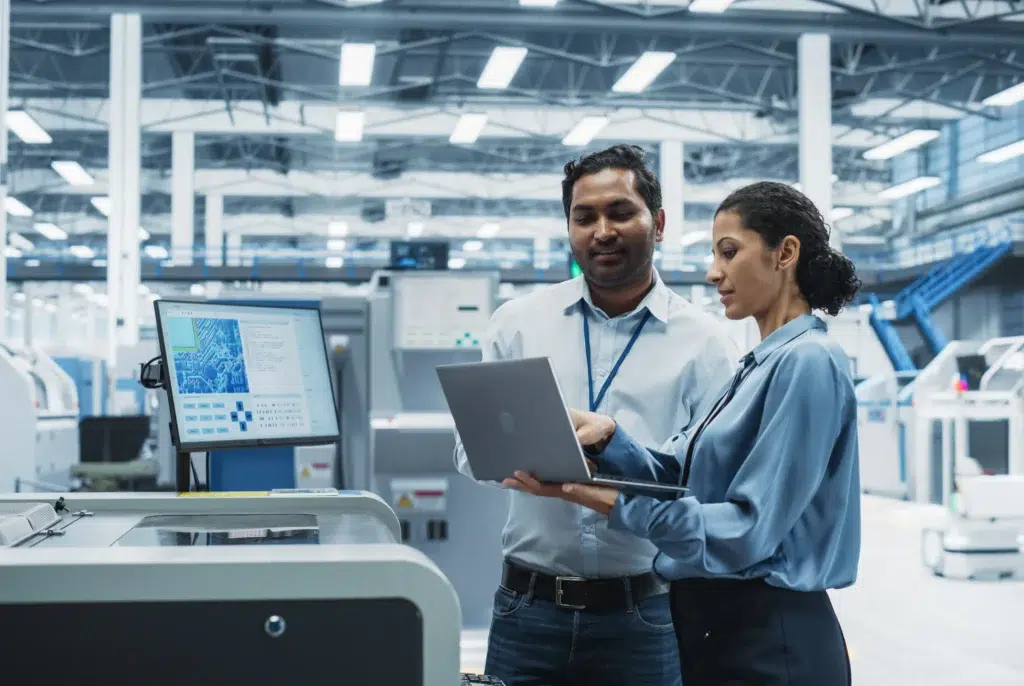
VISUALIZING SPACE
Anticipates how objects, tools, or parts fit together.

MENTAL ROTATION
Accurately imagines changes in position or orientation.
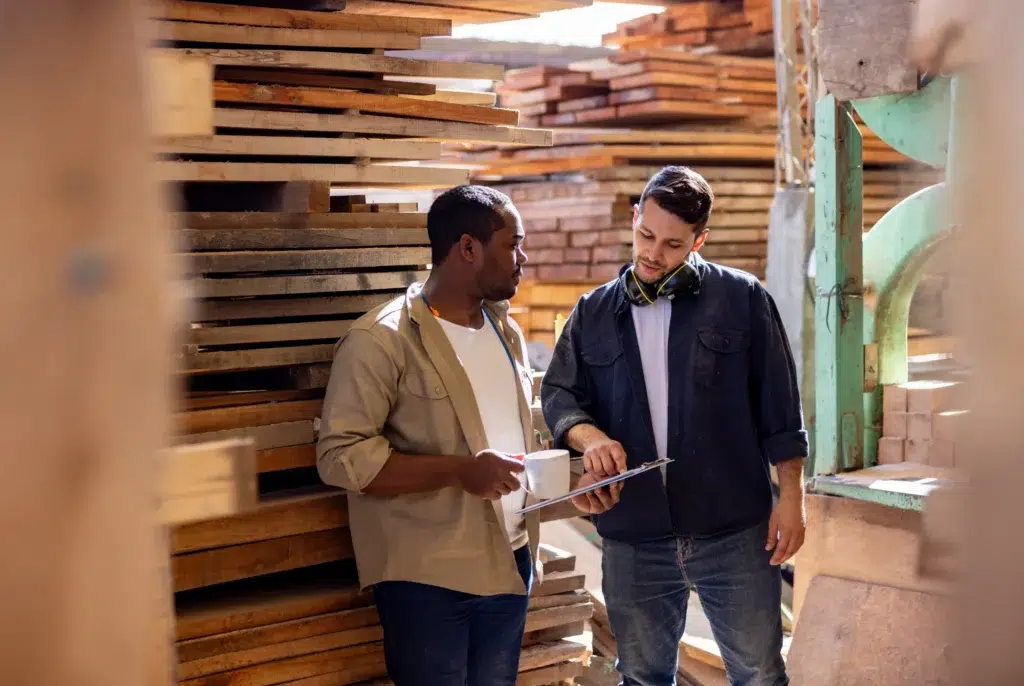
NAVIGATION AND ALIGNMENT
Maintains accuracy when working across space or distance.
These behaviors influence precision, safety, and efficiency.
Why Spatial Reasoning Matters in Hiring
In hiring, spatial reasoning affects accuracy, speed, and error rates in physical or visual tasks.
IT OFTEN SHOWS UP IN:

Fewer mistakes in assembly or installation
Faster ramp time in hands-on roles
Improved safety and spatial awareness
Better use of tools, equipment, or materials
Consistent quality across shifts or locations
When aligned to the role, spatial reasoning supports reliable execution.
Why Generic Spatial Reasoning Tests Fall Short
Many assessments measure spatial reasoning as abstract visualization rather than applied job performance.
GENERIC TESTS

Focus on puzzles with no work context
Measures spatial reasoning in job-relevant scenarios
Emphasize speed over accuracy
Evaluates precision under real conditions
Ignore physical or environmental constraints
Navigates physical environments
Offer little hiring guidance
Connects insight directly to interviews
Spatial insight matters most when it reflects how the job is actually done.
How HighMatch Measures Spatial Reasoning
HighMatch defines spatial reasoning based on how the role interacts with physical space.
Aligns spatial demands to role requirements
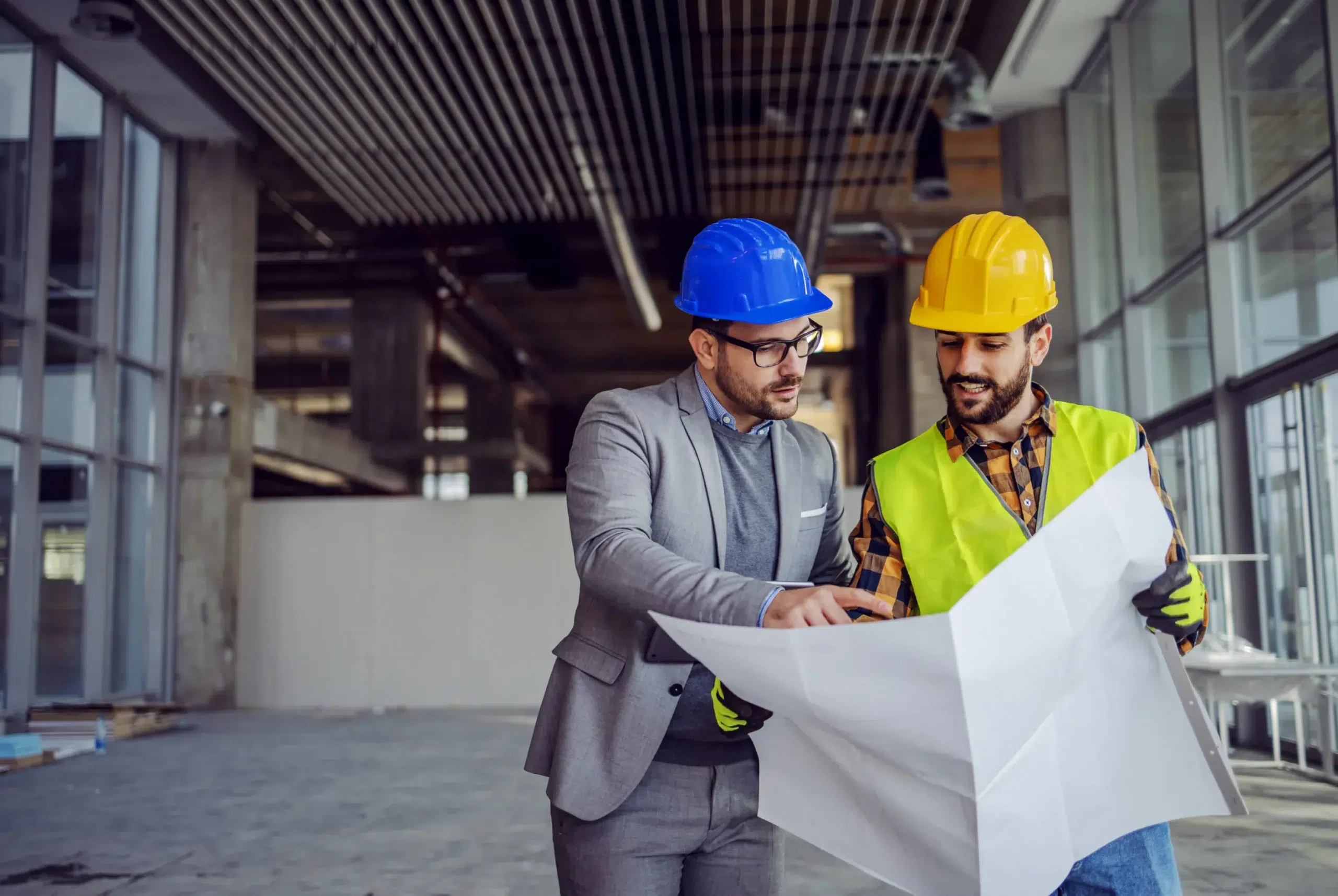
Measures behavior in realistic work situations

Interprets results with guidance from I/O psychologists

Delivers insight teams can act on

The focus isn’t visualization alone, it’s correct execution in context.
When Spatial Reasoning Matters Most
The importance of spatial reasoning depends on the work environment and task demands.
IT MATTERS IN ROLES THAT REQUIRE:
Physical assembly or installation
Navigating complex environments
Precision with tools or machinery
Safety-critical movement or positioning
Not every role needs strong spatial reasoning, but some roles depend on it.
Spatial reasoning is only one measure. Explore how HighMatch evaluates the full picture of candidate fit.
See How Spatial Ability Shows Up on the Job
